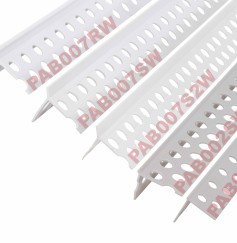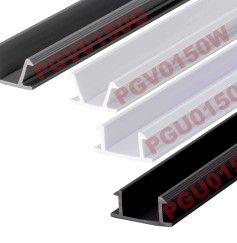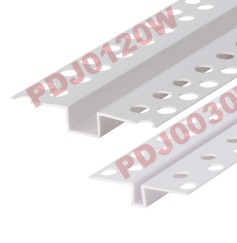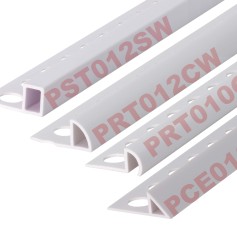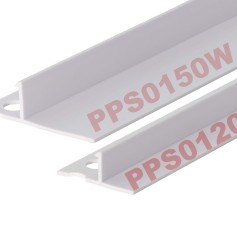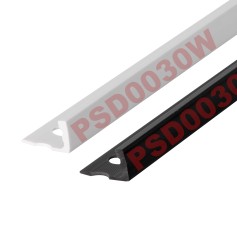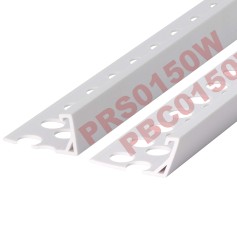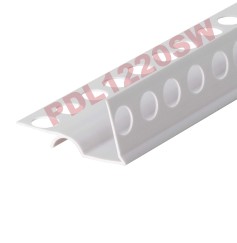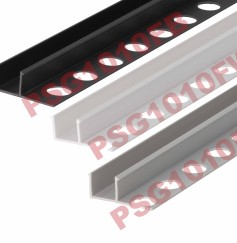


uPVC Drywall Internal angle Bead – Square angle


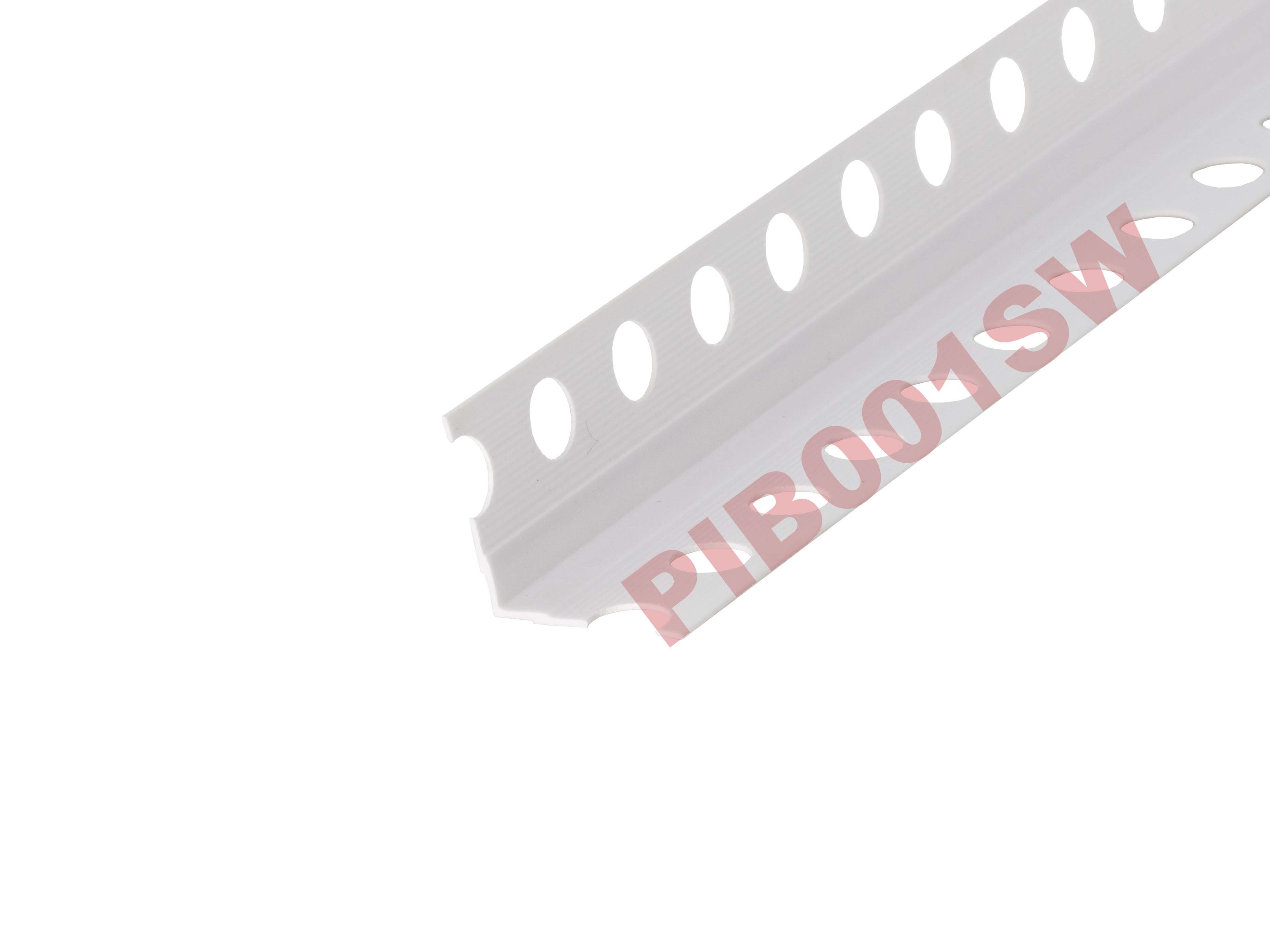
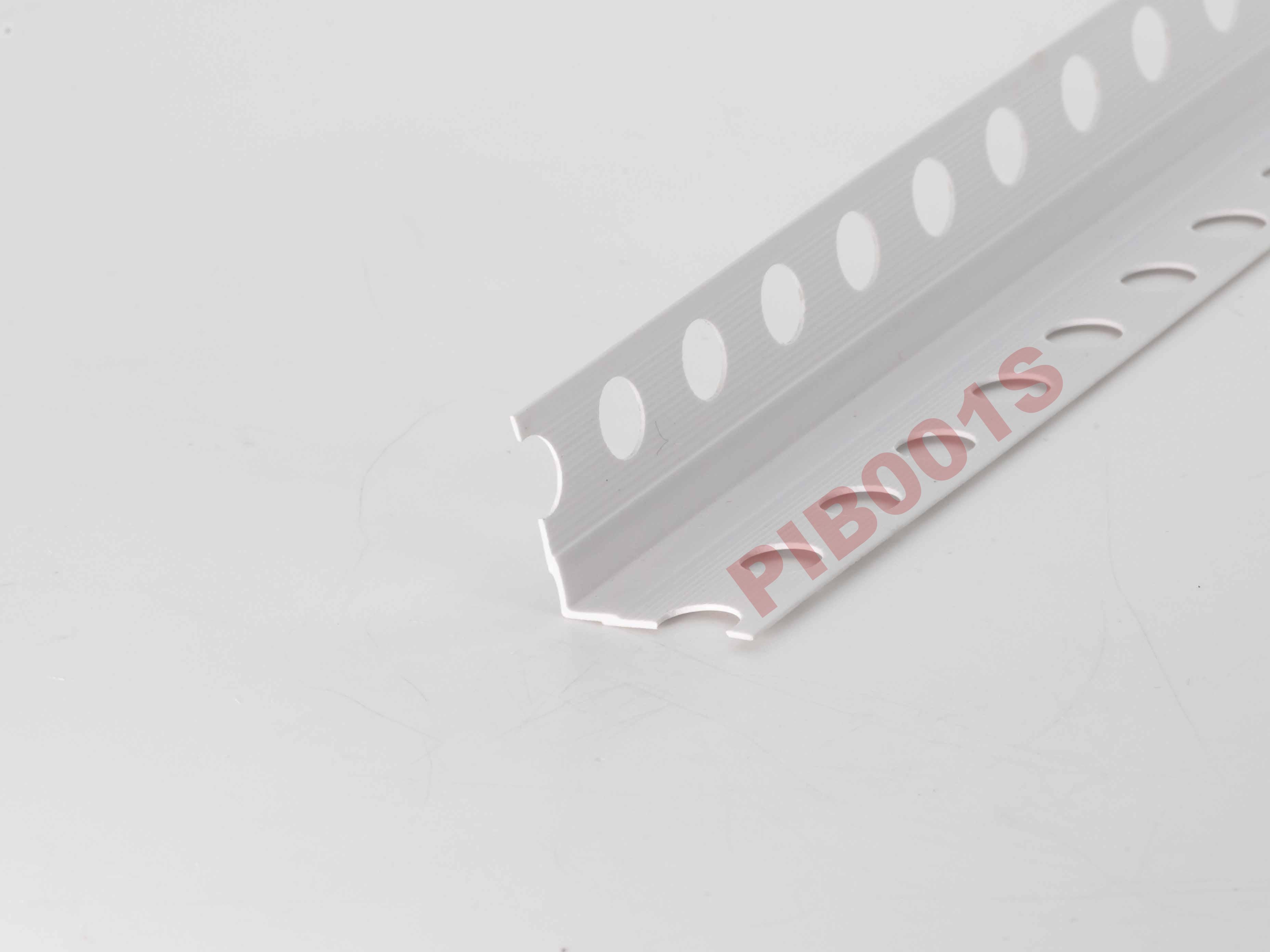
Standard
Complies with current construction material standards.
Complies with user safety standards.
Complies with environmentally friendly manufacturing technology standards.
Complies with modern production process management standards.
Applicable standards: ASTM D638, ASTM D790, ASTM D1525, and ASTM D648.
Specifications
Function: Creates straight, even, and sharp internal corners; helps prevent cracking at internal junctions between two perpendicular, non-monolithic surfaces; and makes internal corner finishing easier, faster, and more cost-effective.
Application areas: Internal corners and junctions such as ceiling-to-wall, wall-to-wall, wall-to-beam, wall-to-column, and similar locations.
Material: uPVC or PVC-U, also known as Unplasticized Polyvinyl Chloride.
Applicable plaster thickness: From 1–3 mm, or custom-designed upon request.
Quality: Made from 100% virgin uPVC material.
Colors: White, grey, or customized upon request.
Standard length: 2.5 m per piece, or cut to the required length.
Packaging: 200 pieces per box.


Overview of HAN uPVC Internal Corner Beads
HAN uPVC Internal Corner Beads are made from engineering-grade uPVC and are used to form clean, accurate internal corners (recessed or concave corners) at junctions between walls and columns or between two plasterboard partitions. They are suitable for use with finishing compounds such as wall putty, skim-coating mortar, or other materials that create a smooth surface with a thin application thickness of 1–3 mm.
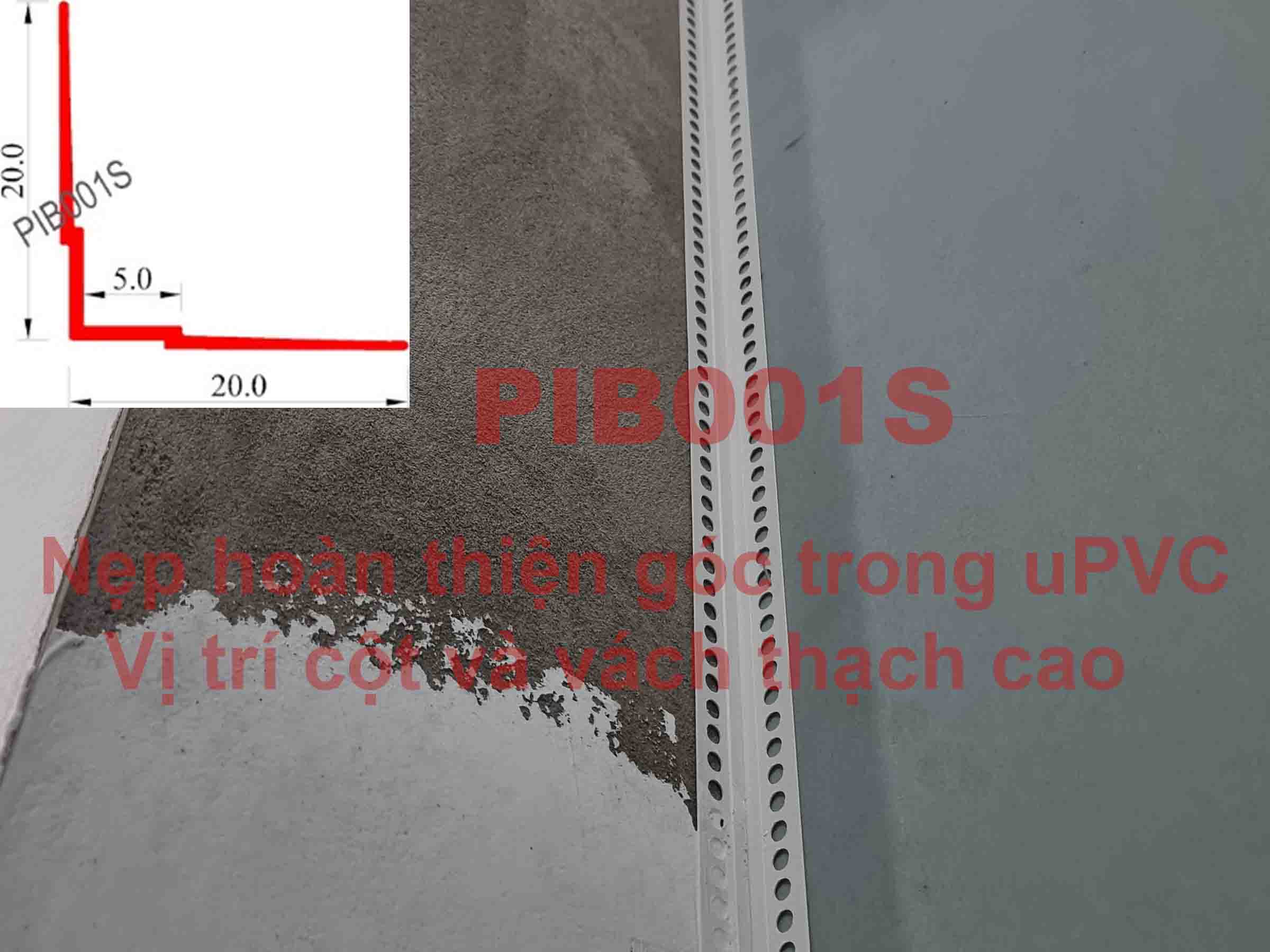 |
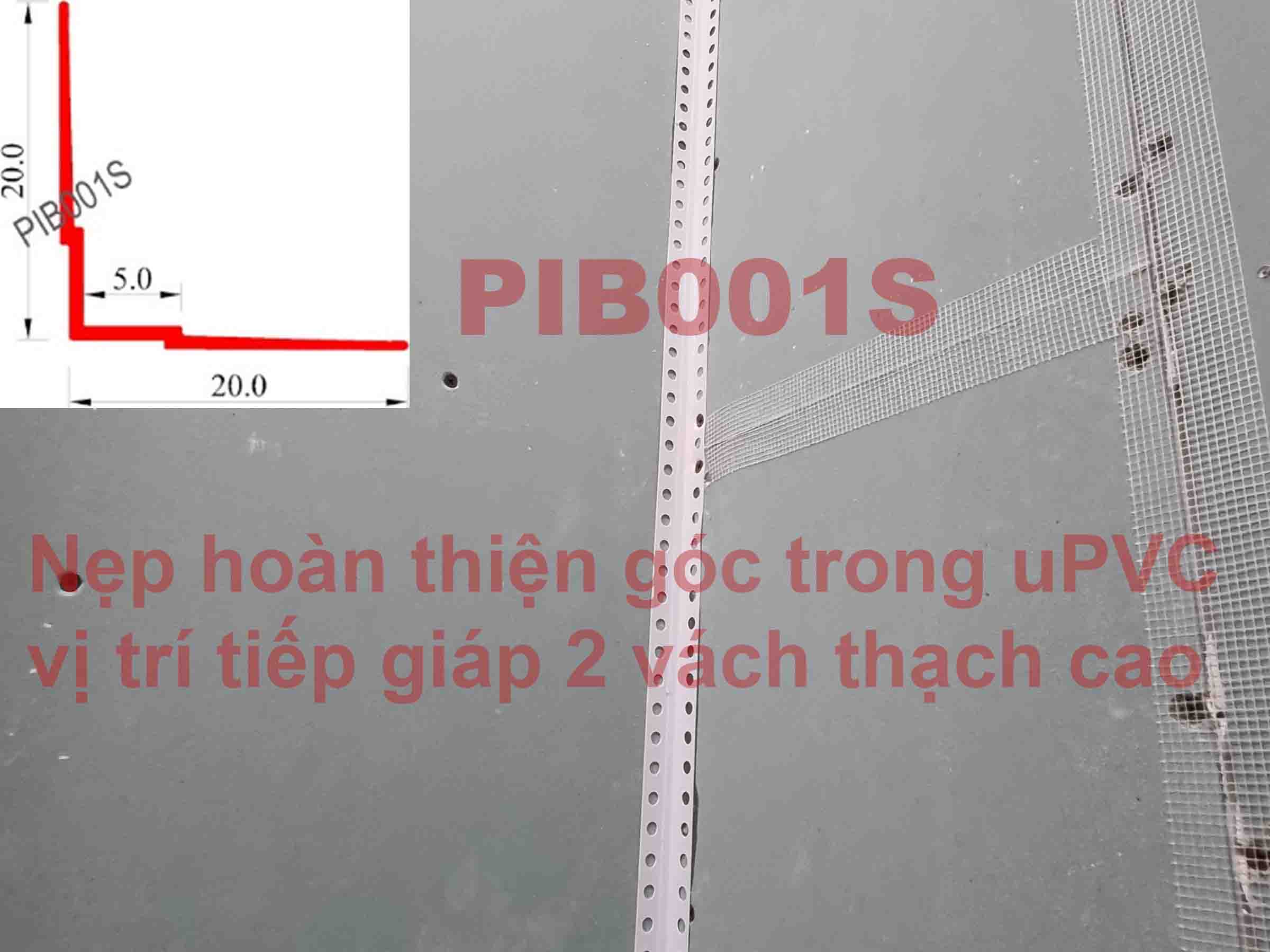 |
| PIB001S Internal Corner Bead installed at the junction between a plasterboard partition and a column, finished with wall putty. | PIB001S Internal Corner Bead installed at an internal corner of a plasterboard partition, finished with wall putty. |
Types of HAN Engineering-Grade uPVC Internal Corner Beads
 |
|
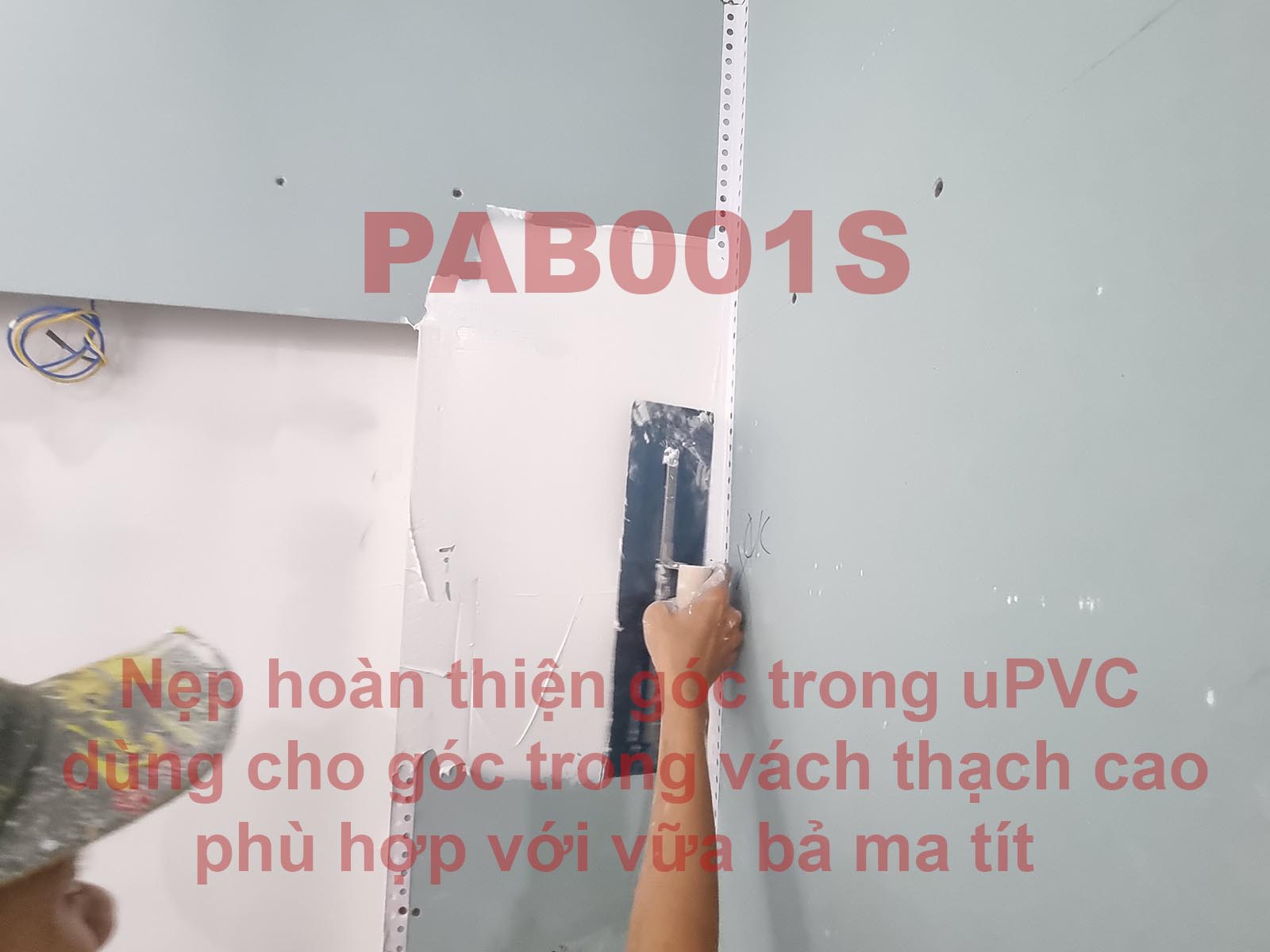
| Sharp-Edged uPVC Internal Corner Bead: PIB001S | Rounded-Edge uPVC Internal Corner Bead |
 |
|
|
Internal corner bead for plastering mortar Suitable for a plaster thickness of up to 5 mm, including specialist plaster and skim-coating mortar. |
Internal corner bead for finishing compounds: PIB001S Suitable for a finishing layer of up to 2 mm, including finishing compounds and wall putty for plasterboard partitions. |
Functions of uPVC Internal Corner Beads
HAN uPVC Internal Corner Beads provide the following benefits:
- Reduce installation errors and help conceal cracks at internal corners caused by material shrinkage.
- Create straight, accurate internal corners during plastering and finishing.
- Standardize internal-corner plastering work.
- Accelerate installation and reduce labour costs.
- Create straight, uniform and sharp internal edges that add a refined architectural detail to the building.
- Make internal-corner plastering easier for construction workers.
HAN uPVC Internal Corner Beads are available in various sizes and profiles, including rounded-edge and square-edged designs. Different profiles are suitable for conventional plastering mortars used on fired clay brick and non-fired brick masonry, thick plaster layers of 5–20 mm, or thin finishing materials such as skim coat, wall putty and concrete skim coat applied at 1–5 mm.
| Internal-corner plastering without a uPVC Internal Corner Bead | Internal-corner plastering with a uPVC Internal Corner Bead |
Overview of PVC, uPVC and Engineering-Grade uPVC
HAN uPVC Internal Corner Beads are manufactured from uPVC, also known as PVC-U. The full name of uPVC is unplasticized polyvinyl chloride. It is a rigid form of PVC that contains no plasticizers. Because of this rigidity, uPVC offers superior mechanical, physical and chemical properties compared with conventional PVC.
HAN develops its engineering-grade uPVC from a uPVC base formulation and adds mechanical, physical and chemical properties suited to different construction applications.
Engineering-grade uPVC gives the Internal Corner Beads enhanced rigidity, toughness, resilience, surface gloss, colour stability and chemical resistance, making them compatible with technical plastering and finishing requirements.
HAN uPVC Internal Corner Beads are safe for installers and building users.
Under normal ambient climatic and temperature conditions, the service life of the beads is compatible with that of the surrounding plaster layer.
Identifying Features of HAN uPVC Internal Corner Beads
| No. | Feature | HAN uPVC Internal Corner Bead |
|---|---|---|
| 1 | Product code | PIB001S |
| 2 | Design | Multiple profiles suitable for different internal-corner plastering requirements |
| 3 | Shape | V-shaped profile with perforated wings |
| 4 | Size | Suitable for plaster layers of 1–3 mm, or up to 5 mm depending on the profile |
| 5 | Application | Creates accurate internal corners when plastering or applying wall putty |
| 6 | Colour | White |
| 7 | Manufacturing technology | Engineering-grade uPVC extrusion |
| 8 | Material | Engineering-grade uPVC |
| 9 | Surface finish | Smooth and glossy |
| 10 | Mechanical, physical and chemical properties | Suitable for construction applications performed in accordance with applicable standards |
| 11 | Packaging | 2.5 m per bead; 50–100 beads per carton |
How to Select and Use uPVC Internal Corner Beads for Optimum Technical and Economic Efficiency
For optimum technical performance and cost efficiency, customers should consider the following:
| No. | Item | Recommended Practice | What to Avoid |
|---|---|---|---|
| 1 | Product code | Identify the correct HAN product code when the installation requirements have already been specified. | |
| 2 | Design | Select the appropriate profile based on the internal-corner location, aesthetic requirements and technical installation requirements. | Do not choose a shorter or unsuitable profile merely to reduce costs while overlooking installation and service requirements. |
| 3 | Dimensions | Wing width: 20 mm. Suitable plaster thickness: 1–3 mm. A profile with longer wings should be selected when stronger positioning is required. | |
| 4 | Length | For small quantities, use HAN’s standard lengths of 2 m, 2.5 m or 3 m. For large projects, custom-cut lengths can reduce offcuts and unnecessary costs. | Avoid ordering lengths that create excessive offcuts, waste and additional installation costs. |
| 5 | Quantity | Determine the required quantity and specifications in full, and include a reasonable allowance for installation waste. | |
| 6 | Ordering schedule | Ensure the products are available in the site warehouse before installation begins so that the construction schedule is not affected. | Avoid ordering too close to the installation date, as this may delay the work. |
| 7 | HAN brand identification | Purchase from an authorized distributor or directly from HAN. The packaging should clearly display HAN’s information, including the product code, address and telephone number. | Packaging that does not clearly show HAN factory information may not contain genuine HAN products. |
| 8 | Responsible personnel | Personnel with suitable knowledge and experience should communicate directly with HAN’s technical advisory team before making a purchasing decision. | |
| 9 | Installation method | Follow HAN’s installation instructions in full. Bed the bead completely in mortar, use a suitable plaster thickness and follow the specified finishing procedure to achieve optimum technical and aesthetic performance. For products supplied with temporary protective film, remove the film at the appropriate stage. | |
| 10 | Storage method | Follow all transport and storage recommendations to maintain product quality before installation. |
Proper Transport and Storage of HAN uPVC Finishing Beads
Transport instructions:
- Do not drag cartons along the ground or throw them from a height.
- Do not leave cartons leaning or standing vertically for extended periods.
- Use a truck with a flat cargo bed and a covered body or tarpaulin to protect the products from rain.
- When transporting different bead types in the same vehicle, place longer and heavier cartons underneath shorter and lighter cartons.
- Do not place heavy or sharp objects on the cartons. Ensure the cartons are not bent, warped or punctured during transport.
- Load and unload the cartons carefully to prevent tearing, bending or warping.
Storage instructions:
- Store indoors on pallets in a dry, elevated and well-ventilated area, away from direct sunlight, water, soil, mud, moisture, mould and high temperatures.
- Do not store cartons vertically. Individual beads should not be left standing or leaning for extended periods, as this may cause them to bend.
- When beads are not in use, clean and repack them in their cartons to protect them from dust and preserve their colour, smoothness and surface gloss.
- Do not turn cartons upside down. Keep them in the correct orientation as indicated by the arrows on the packaging.
Quality Standards for HAN uPVC Internal Corner Beads
HAN uPVC Internal Corner Beads comply with the following applicable standards and requirements:
- ASTM D638, ASTM D790, ASTM D1525 and ASTM D648.
- Applicable criteria under current Vietnamese construction standards (TCVN).
- Quality plastic beads must satisfy the requirements shown below.
 |
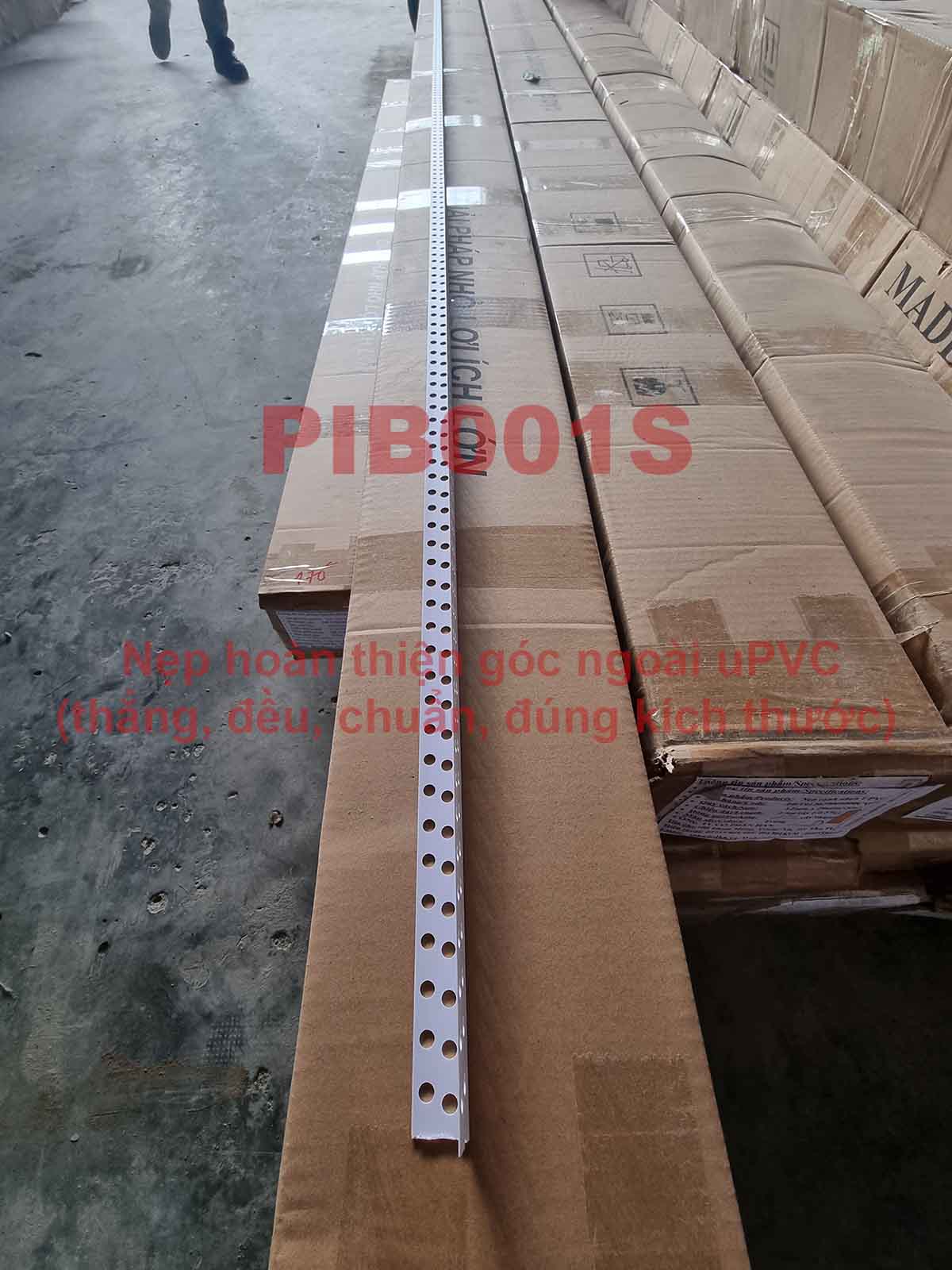 |
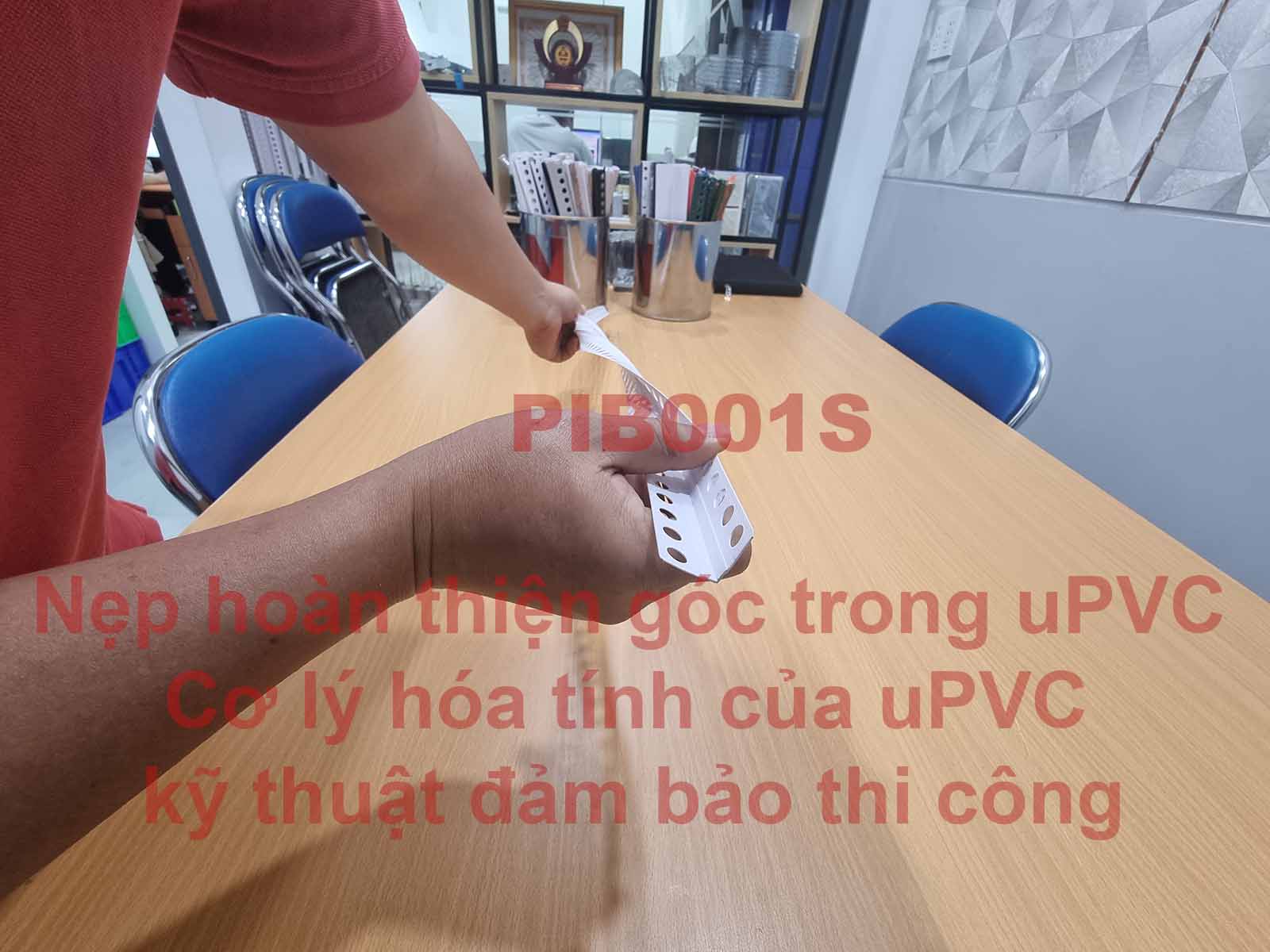
| The mechanical, physical and chemical properties of the uPVC must meet installation and service requirements. | The finished bead must be flat, straight, uniform and dimensionally accurate. |
HAN uPVC Internal Corner Beads create straight, even and precise internal corners, also known as re-entrant or concave corners.
When installed at the internal corners of masonry walls or plasterboard partitions finished with putty and paint, they help minimize workmanship errors and reduce cracking caused by material shrinkage, thereby lowering maintenance costs.
HAN uPVC Internal Corner Beads also accelerate installation, improve accuracy and enhance the overall appearance, creating clean and refined internal corner lines.
When installing HAN uPVC Internal Corner Beads, the following points should be observed:
- Check that the internal corner is straight, flat and properly formed before installation. Accurate masonry and plastering work will reduce alignment errors and save adjustment time.
- Fully fill and pack the internal corner with mortar before installing the bead.
- Use screws where necessary to secure the bead to the wall framing system.
- Apply specialized fiberglass reinforcing mesh suitable for putty or skim-coat applications to improve bonding and minimize cracking.
- At joints and intersections, cut the bead ends at a 45° angle to reduce installation errors and create smoother, more refined connections.
Please contact HAN’s authorized distributor network or sales department for advice on HAN uPVC Internal Corner Beads.





Comment
Comment