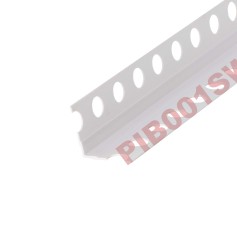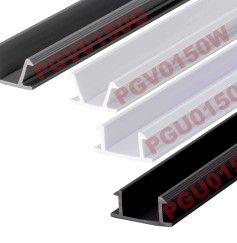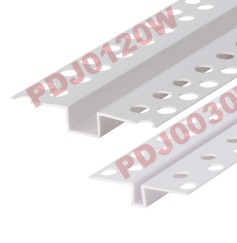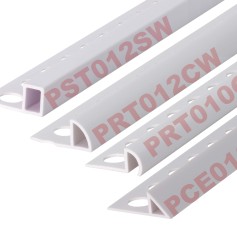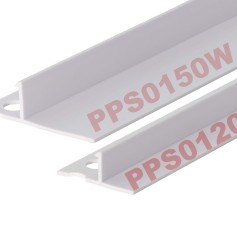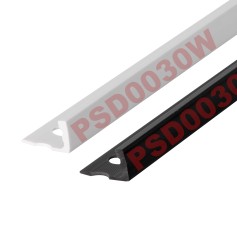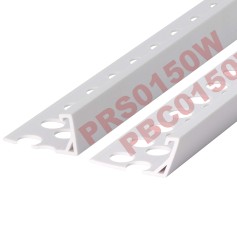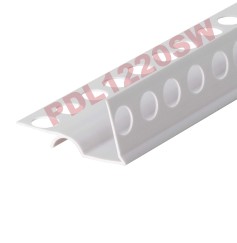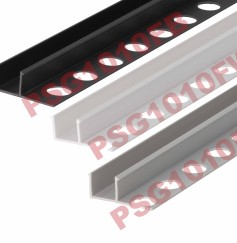


Angle Bead – Sharp edge


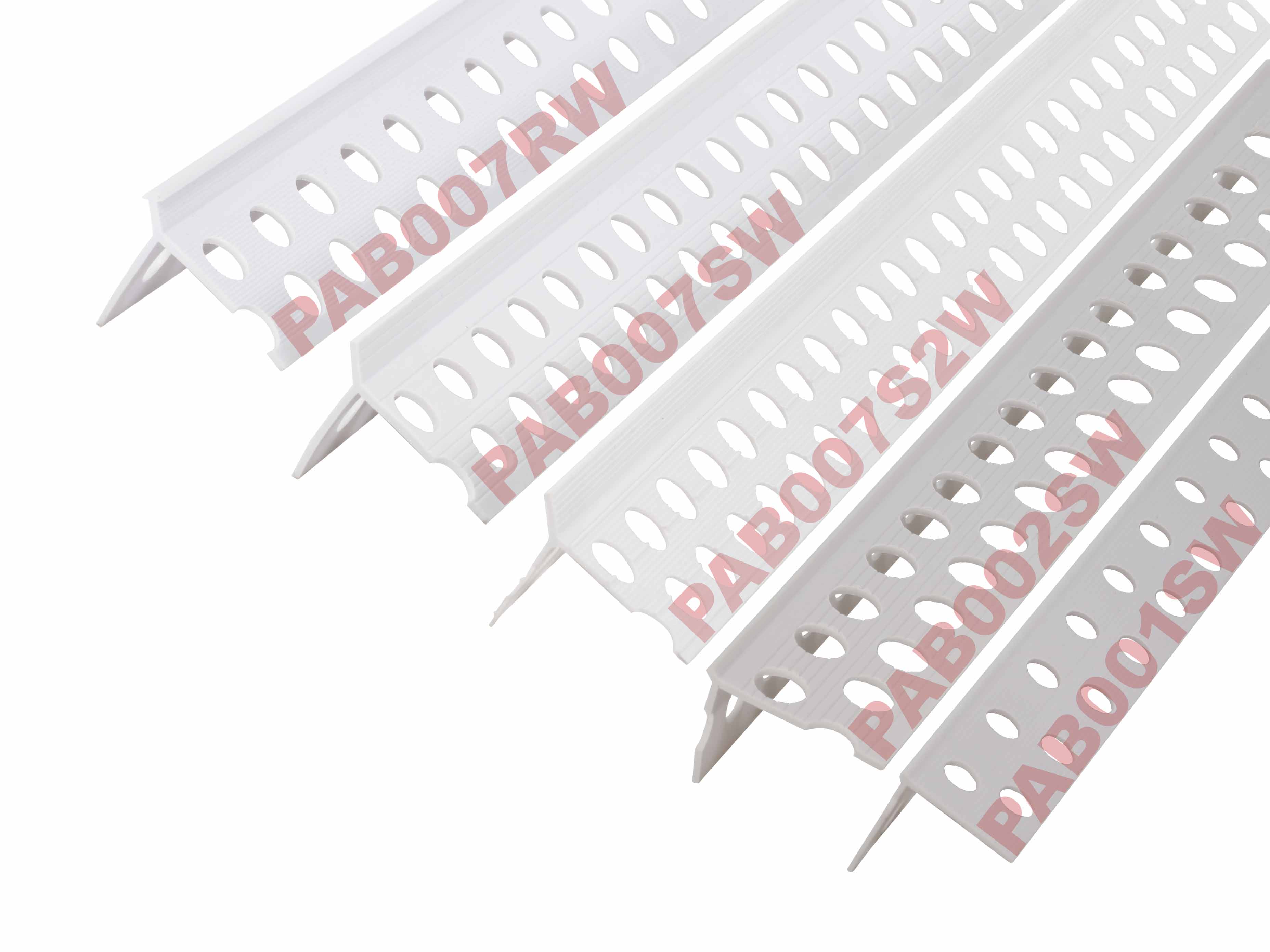
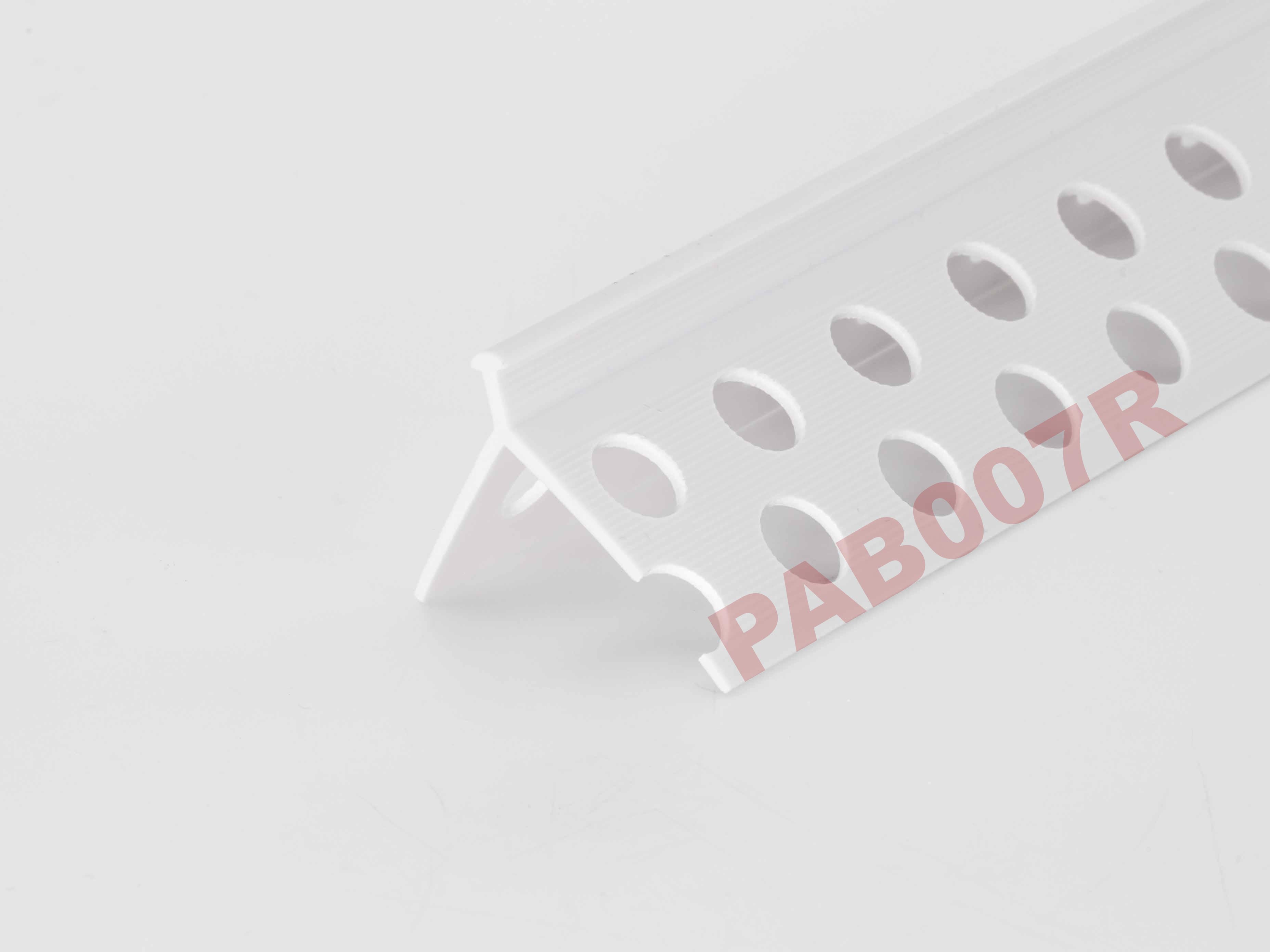
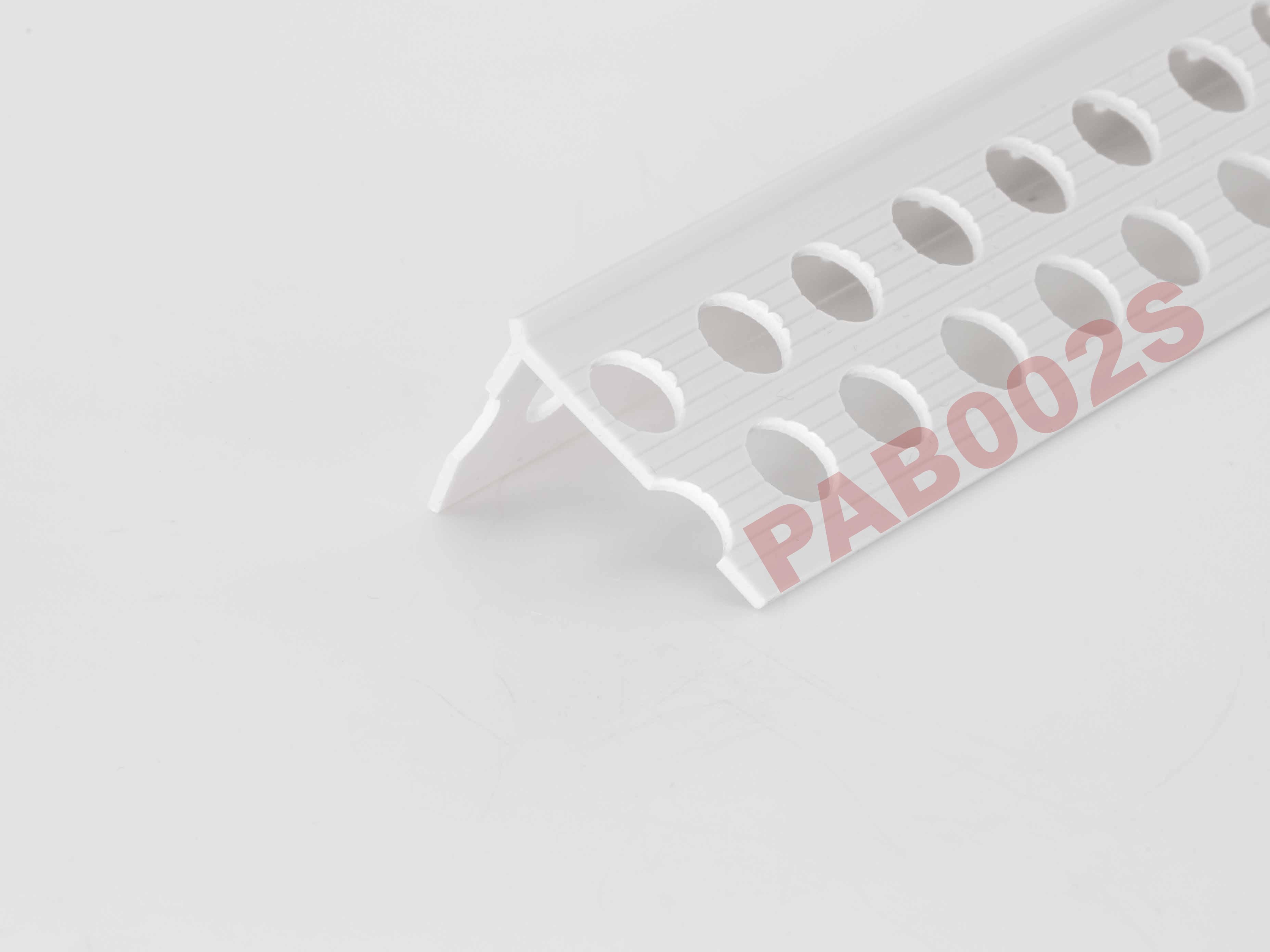
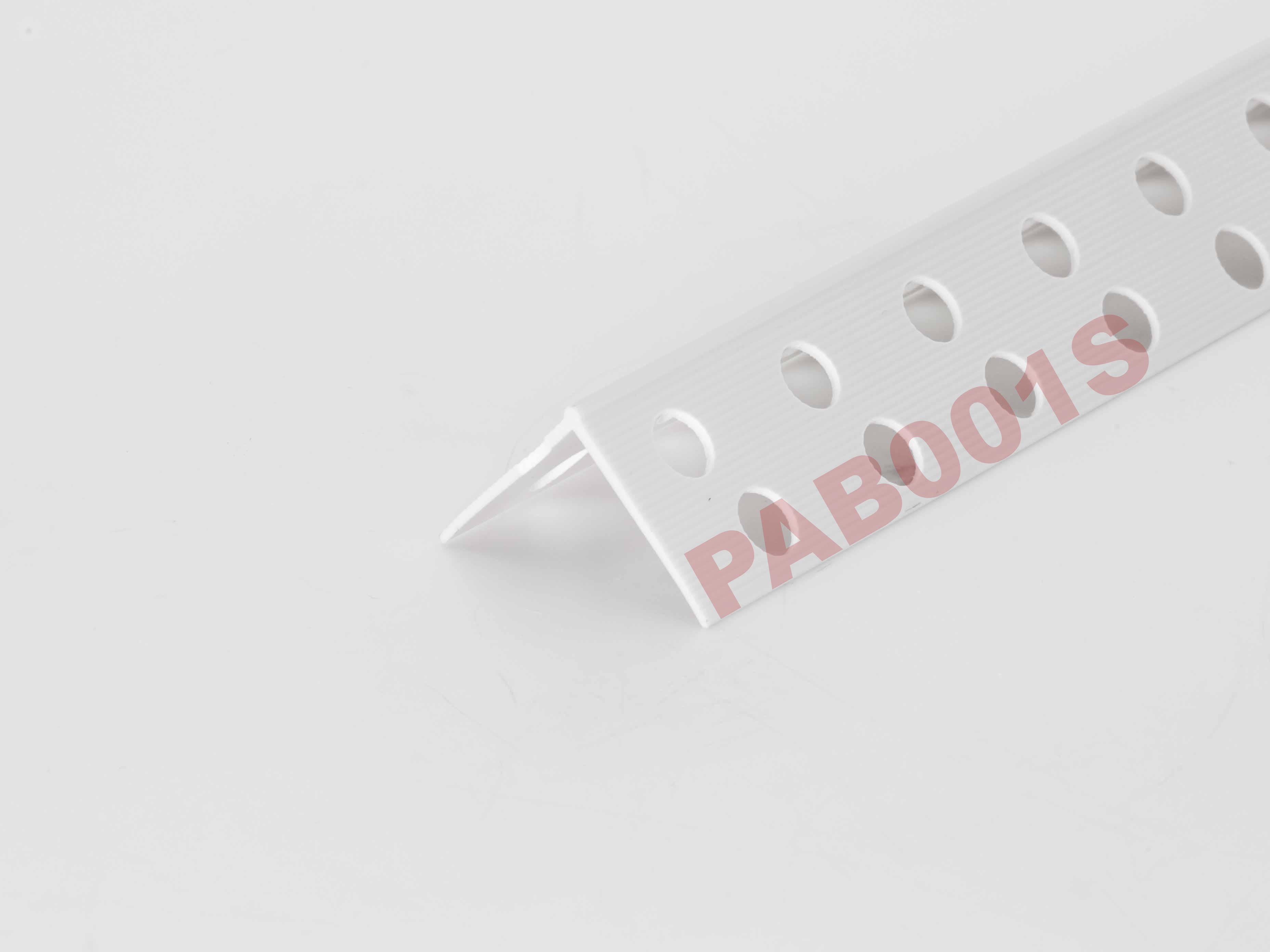
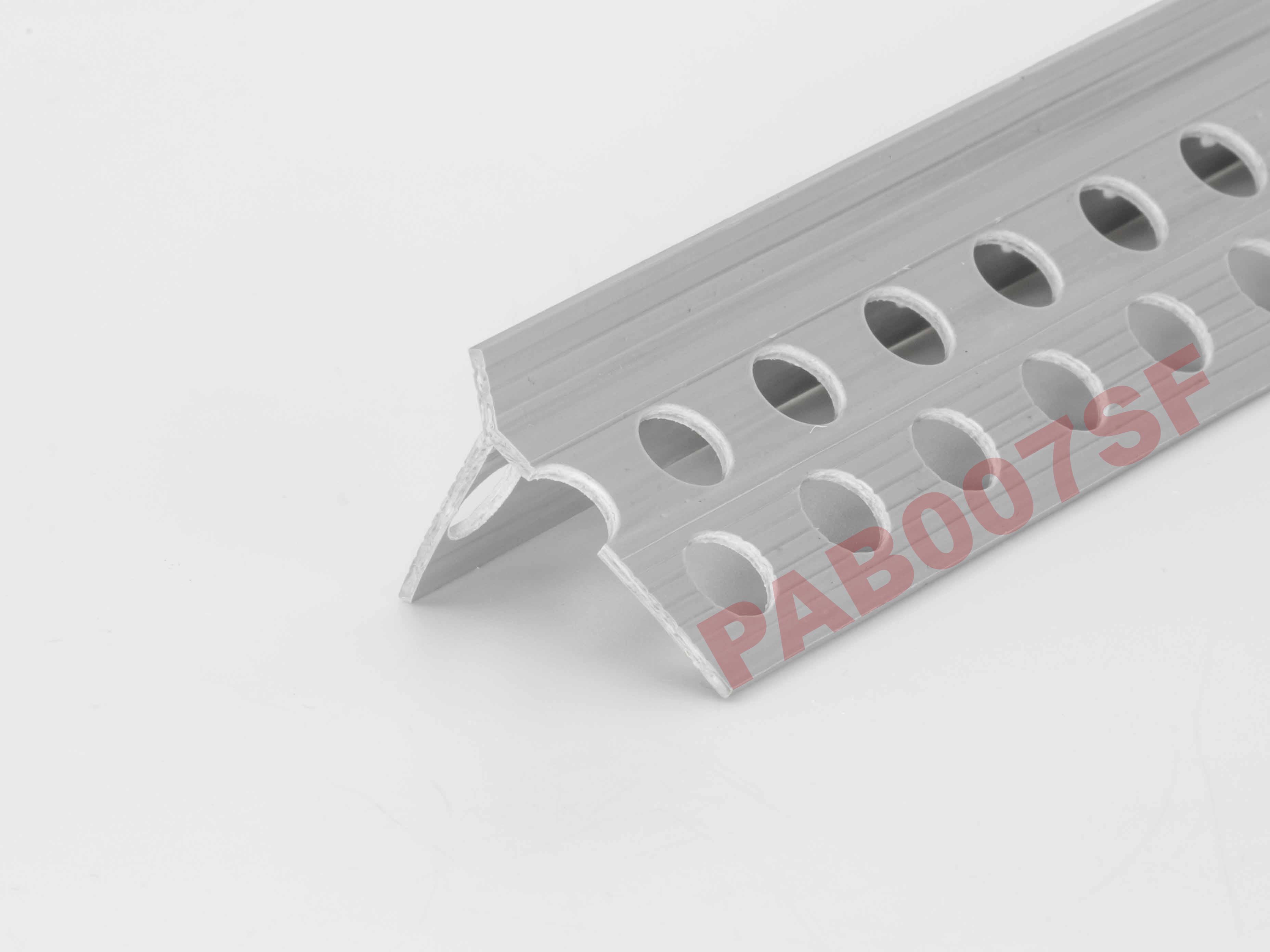
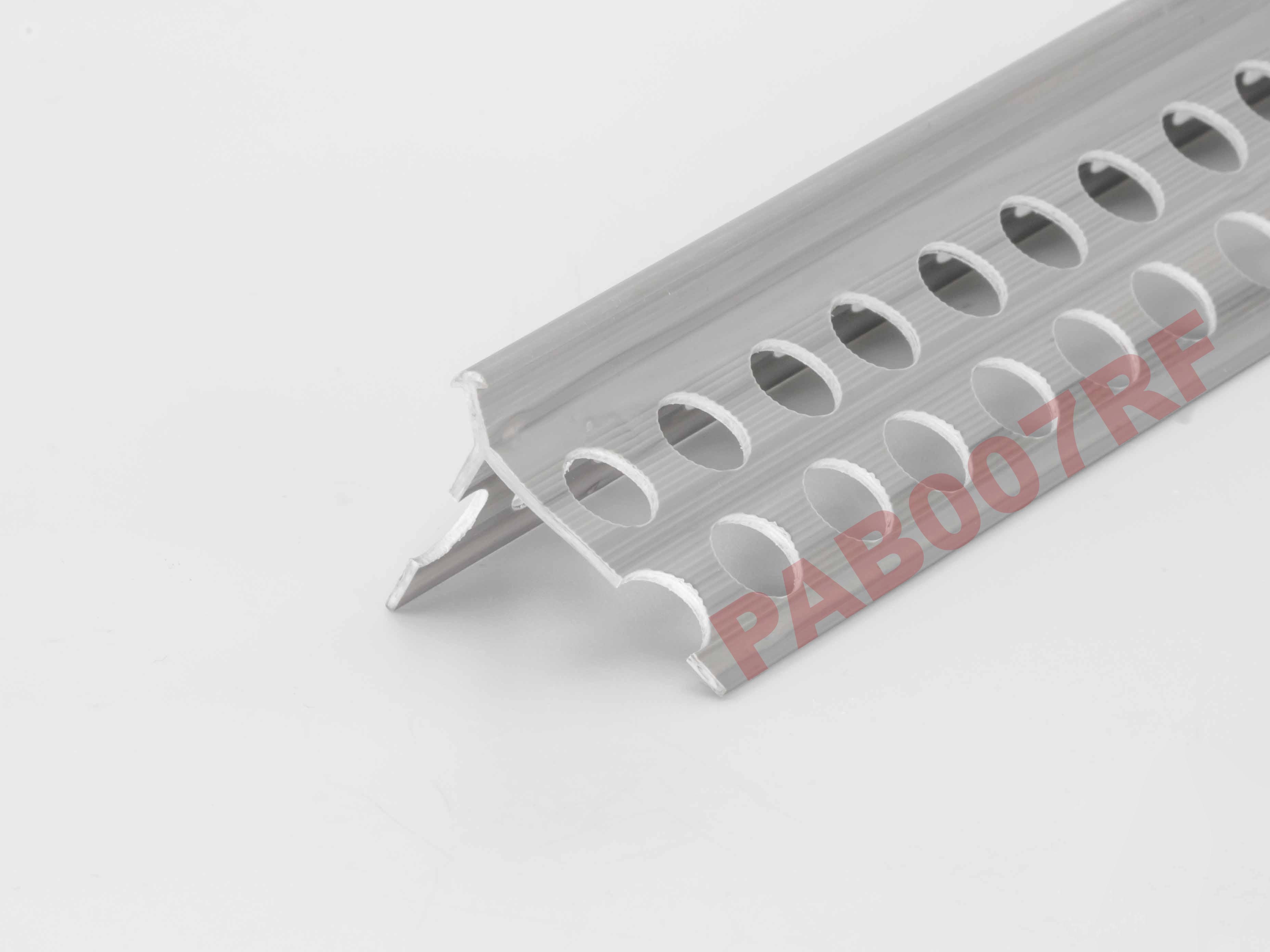
Standard
Complies with applicable construction material standards.
Complies with user safety standards.
Complies with environmentally friendly manufacturing technology standards.
Complies with modern production process management standards.
Standards: ASTM D638, ASTM D790, ASTM D1525, ASTM D648.
Specifications
Function: Creates accurate external corners for mortar rendering and standard plaster coats, producing straight, uniform and sharp square edges.
Installation position: External wall corners, edges of columns and beams, and tile edges.
Material: uPVC or PVC-U, also known as Unplasticized Polyvinyl Chloride.
Profile size: Suitable for plaster thicknesses from 1 to 10 mm, or custom-made upon request.
Quality: Made from 100% virgin uPVC material.
Colours: White, black, grey, or customised upon request.
Length: 3 m per piece or cut to the required length.
Packaging: 100 pieces per box.


General Introduction to HAN uPVC External Corner Beads
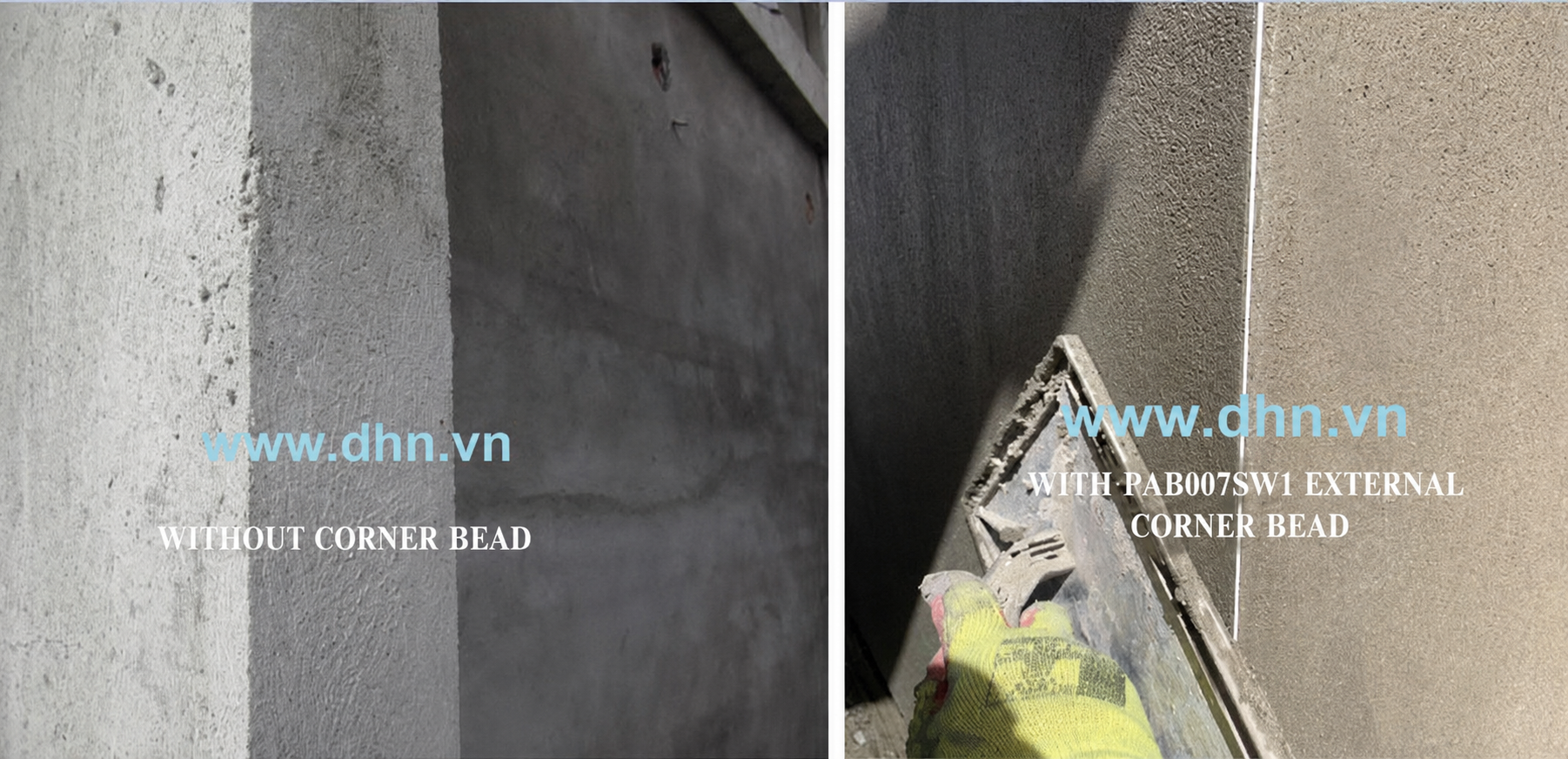
A uPVC external corner bead is a technical uPVC profile used to form precise external corners (convex or positive corners) when applying plaster or render. It is suitable for both thin and thick plaster coats, depending on the installation requirements. Once embedded and finished, the bead creates straight, uniform and sharp right-angle edges.
 |
|
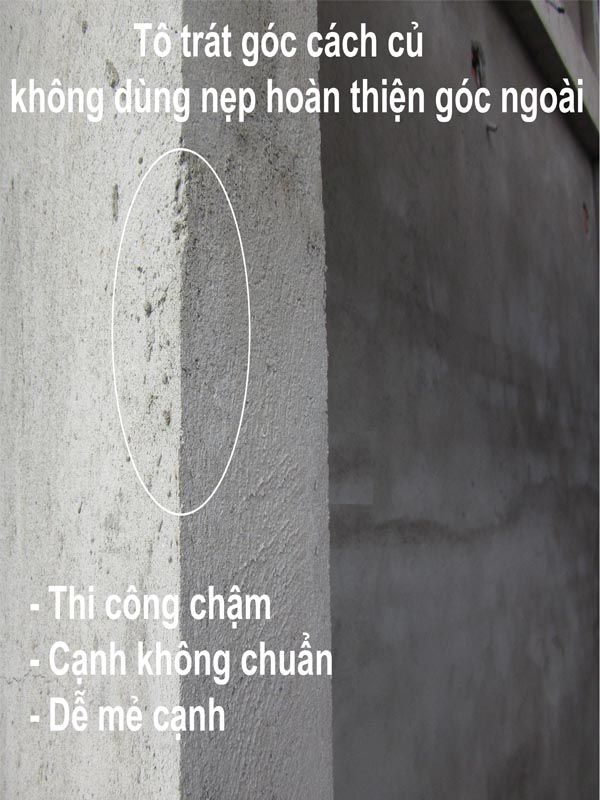
| Traditional external corner plastering without an external corner bead | Modern external corner plastering with a uPVC external corner bead |
Made from unplasticized polyvinyl chloride, the uPVC external corner bead forms accurate external corners on columns, lintels, beams, walls and other similar building elements.
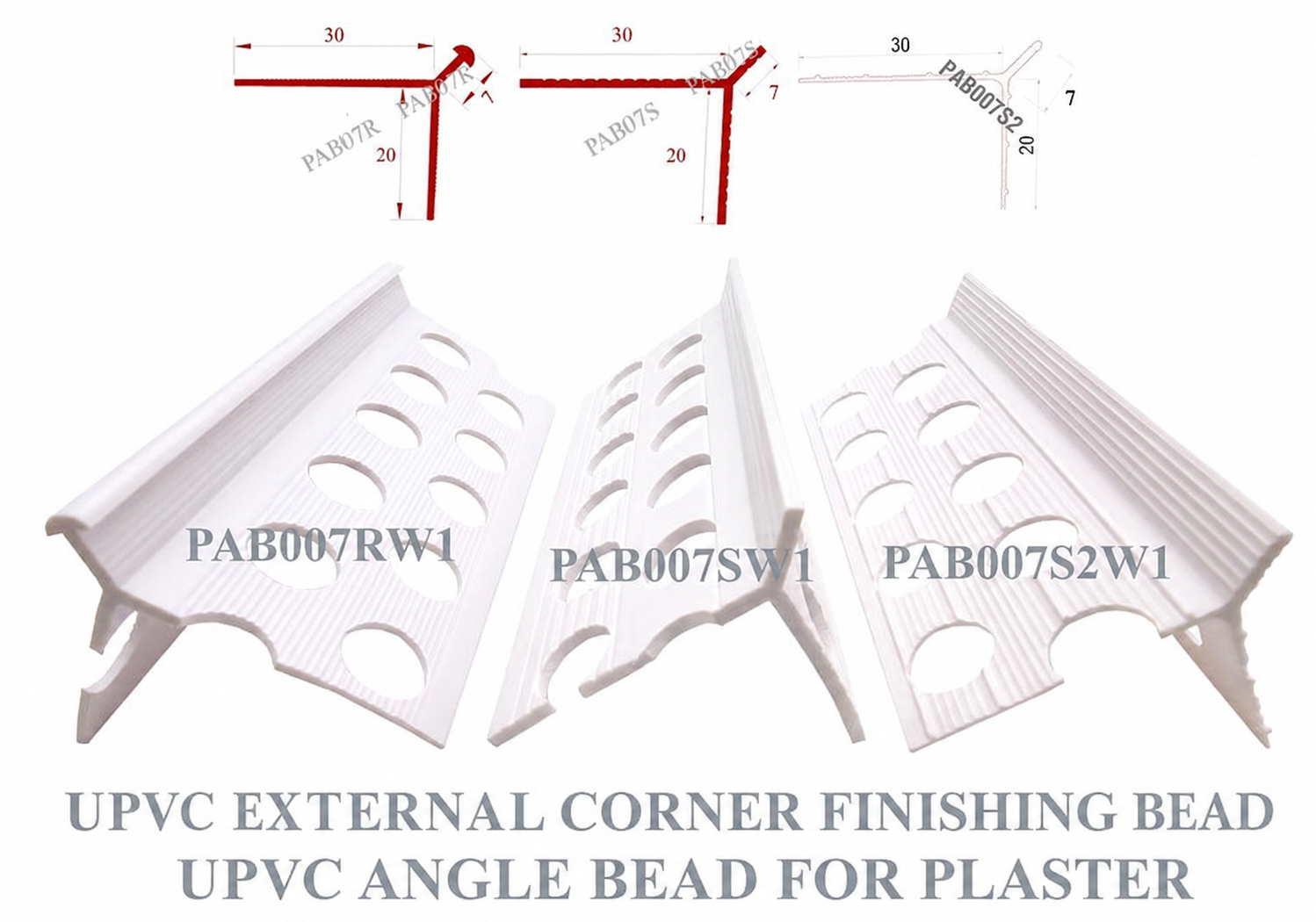
Types of HAN Technical uPVC External Corner Beads
 |
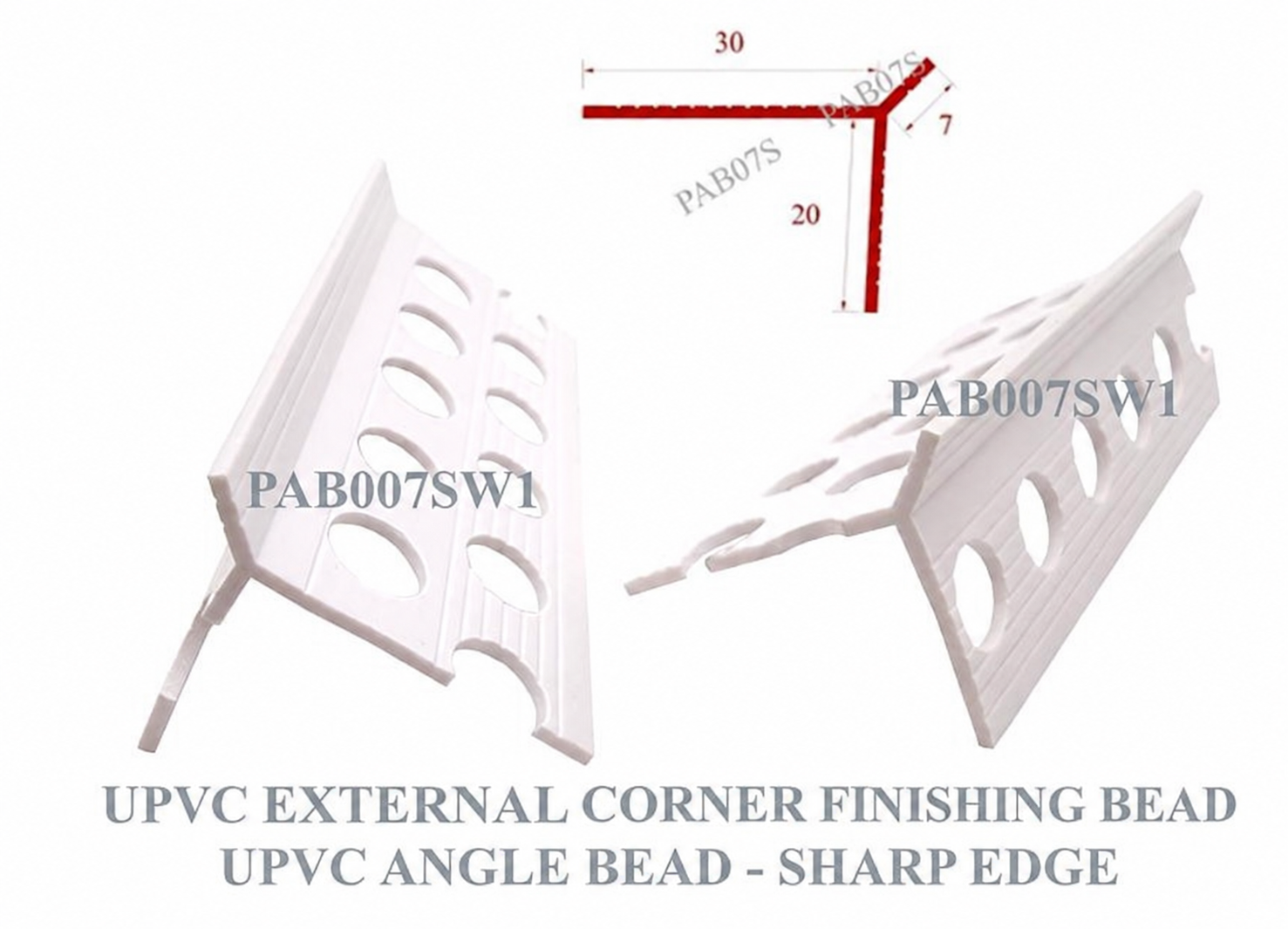 |
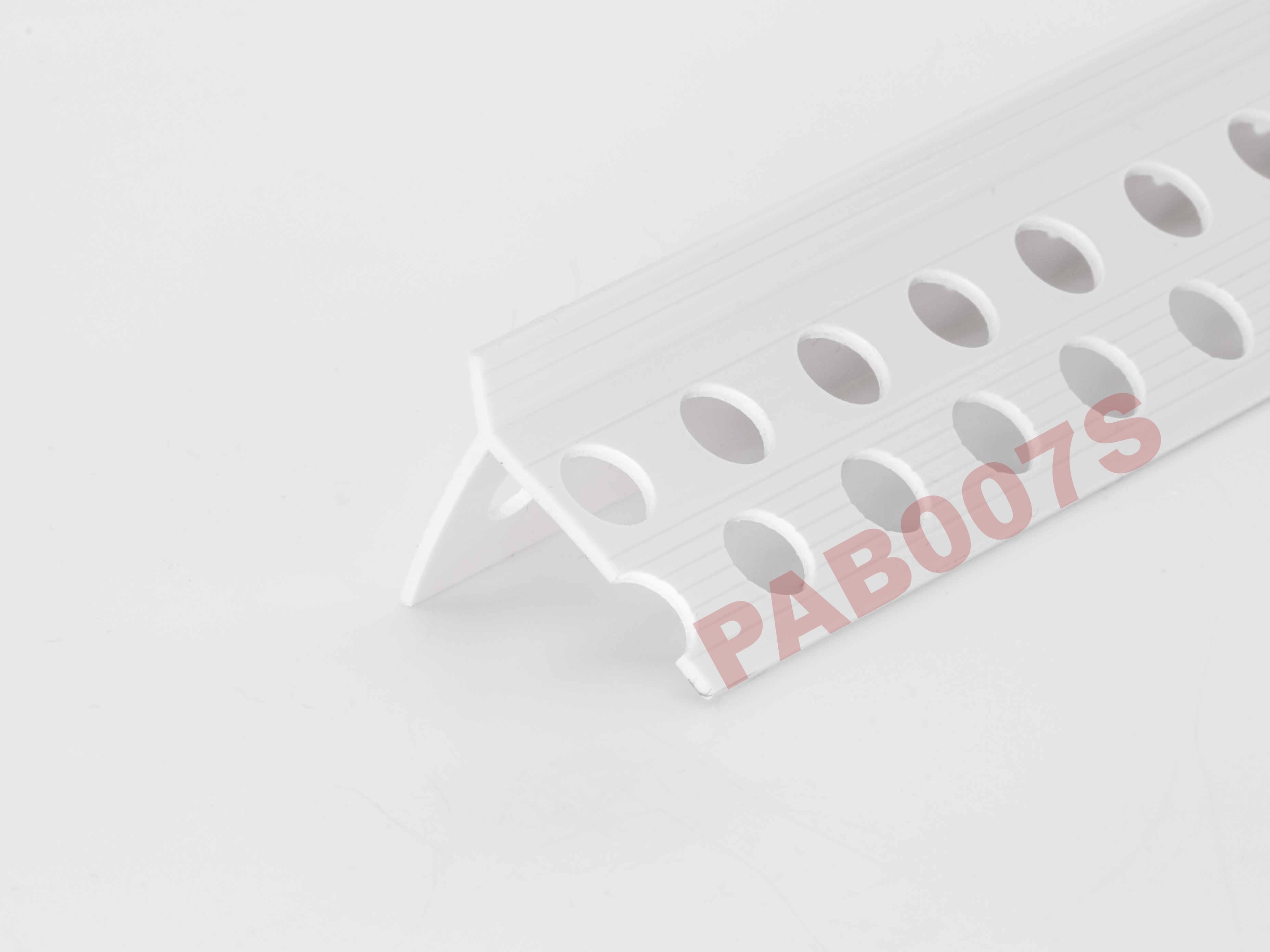
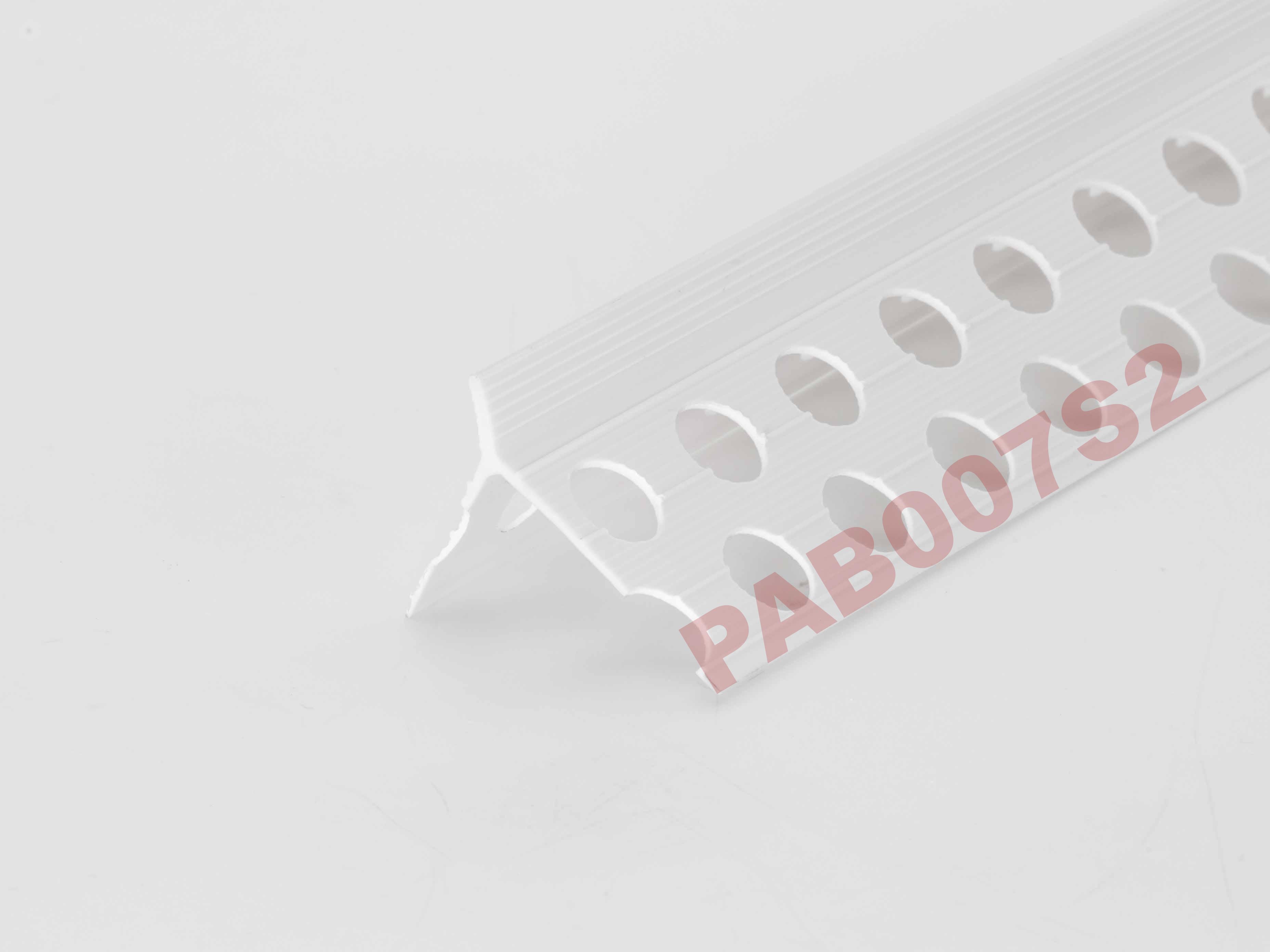
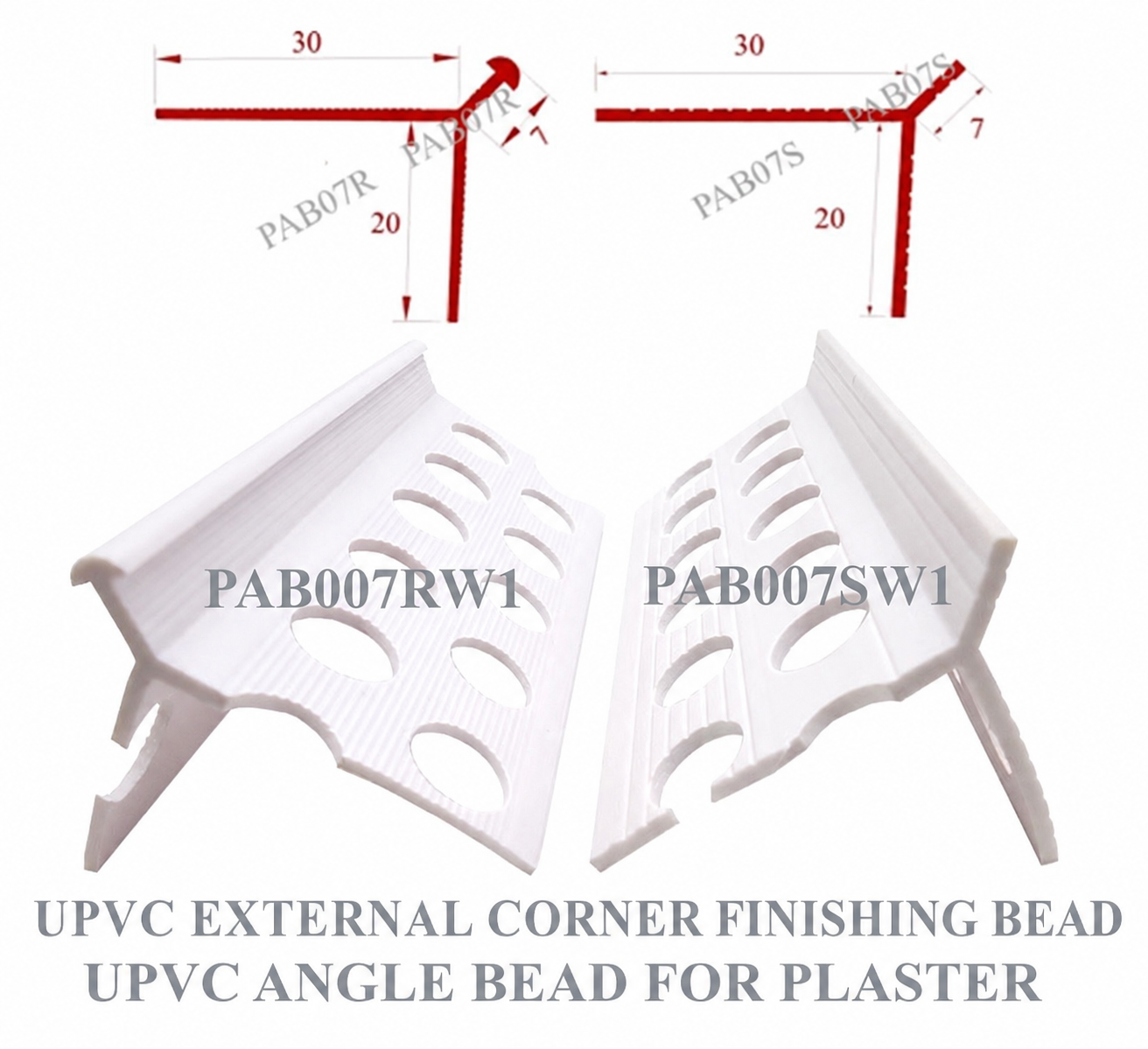
| Sharp-edge uPVC external corner beads: PAB007S and PAB007S2 | Rounded-edge uPVC external corner bead: PAB007R |
 |
|
|
External corner beads for plastering and rendering: PAB007S, PAB007S2 and PAB007R. Designed for a minimum plaster thickness of 5 mm and suitable for walls constructed from fired-clay bricks, concrete blocks and similar masonry materials. |
External corner beads for skim-coat finishing: PAB002S and PAB001S. Designed for a minimum finishing-coat thickness of 1 mm and suitable for finishing plaster, wall putty and skim coating on plasterboard walls. |
Functions of uPVC External Corner Beads
uPVC external corner beads provide the following benefits:
- Establish accurate reference lines and edges when plastering external corners.
- Standardize external corner plastering and rendering work.
- Speed up installation and reduce labour costs.
- Create straight, uniform and sharp edges that provide a refined architectural finish.
- Make external corner plastering easier for construction workers.
- Help minimize edge chipping caused by impact during construction.
HAN uPVC external corner beads are available in various sizes and designs, including sharp-edge and rounded-edge profiles. Different models are designed for masonry plaster and render, including fired-clay brick and non-fired block walls with plaster thicknesses of 5–20 mm, while other models are suitable for skim coats, wall putty and thin finishing coats of 1–5 mm.
 |
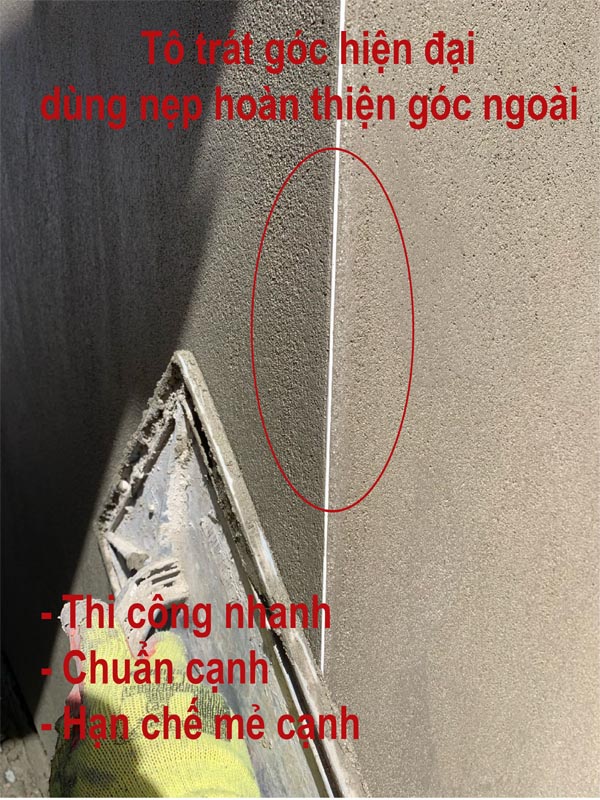 |
| External corner plastering without a uPVC finishing bead | External corner plastering with a uPVC finishing bead |
Overview of PVC, uPVC and Technical uPVC
uPVC external corner beads are manufactured from uPVC, also known as PVC-U. The term uPVC stands for “unplasticized polyvinyl chloride.” It is a rigid form of PVC that contains no plasticizers. This rigidity gives uPVC enhanced mechanical, physical and chemical properties compared with conventional PVC.
HAN has researched and developed its technical uPVC formulation from a uPVC base, adding performance characteristics tailored to different construction applications.
HAN uPVC external corner beads are made from technical uPVC to provide enhanced rigidity, toughness, flexibility, surface gloss, colour stability and chemical resistance, making them compatible with the technical requirements of plastering and rendering work.
Under normal ambient conditions, the service life of a uPVC external corner bead is compatible with that of the surrounding plaster or render layer.
Identifying Features of HAN uPVC External Corner Beads
| No. | Feature | HAN uPVC External Corner Bead |
|---|---|---|
| 1 | Design | Multiple profile designs suitable for different plastering and rendering requirements |
| 2 | Shape | V-shaped profile with perforated wings on both sides |
| 3 | Size | Suitable for plaster or render layers from 1 to 20 mm thick or more |
| 4 | Application | Creates accurate external corners during plastering and rendering |
| 5 | Colour | White or grey |
| 6 | Manufacturing technology | Technical uPVC extrusion |
| 7 | Material | Technical uPVC |
| 8 | Surface finish | Smooth and glossy |
| 9 | Mechanical, physical and chemical properties | Suitable for construction applications in accordance with applicable standards |
| 10 | Packaging | 3 m per profile; 50–100 profiles per carton |
Classification of HAN uPVC External Corner Beads
Depending on the classification criteria, HAN uPVC external corner beads are available in the following types:
- By profile design: sharp-edge external corner beads and rounded-edge external corner beads.
- By application: external corner beads for masonry plaster and render, skim-coat mortar, or wall putty.
Materials Used to Manufacture uPVC External Corner Beads
HAN uPVC external corner beads are made from a technical uPVC formulation based on virgin PVC resin. The material contains no plasticizers and incorporates performance-enhancing additives to meet the installation and service requirements of construction applications.
How to Select and Use uPVC External Corner Beads for Optimum Technical and Economic Efficiency
To achieve optimum technical performance and cost efficiency when using uPVC external corner beads, customers should consider the following:
| No. | Item | Key Considerations | What to Avoid |
|---|---|---|---|
| 1 | Design | Identify the external corners to be plastered and assess the aesthetic and technical requirements before selecting a suitable profile design. | Do not select a smaller or shorter profile solely to reduce costs while overlooking installation and service requirements. |
| 2 | Dimensions | Wing widths range from 20 to 50 mm, and compatible plaster thicknesses range from 1 to 20 mm. Longer wings are recommended where more secure positioning is required. | Avoid short-wing profiles for fired-clay brick masonry plaster. Rounded-edge profiles should be considered in areas prone to frequent impact. |
| 3 | Profile length | For small orders, use HAN standard lengths of 2 m, 2.5 m or 3 m. For large projects, ordering profiles cut to the required lengths can reduce offcuts and costs. | Avoid excessive offcuts and unnecessary material waste that can increase installation costs. |
| 4 | Quantity | Determine the required quantities and specifications in advance, including a suitable allowance for cutting and installation losses. | Avoid ordering without a complete quantity take-off. |
| 5 | Ordering schedule | Ensure the products are available in the site warehouse before installation begins so that construction progress is not affected. | Avoid placing orders too close to the planned installation date. |
| 6 | HAN brand identification | Purchase from an authorized distributor or directly from HAN. Genuine packaging should clearly state HAN information, including the product code, address and telephone number. | Products supplied in packaging without clear HAN factory information may not be genuine HAN products. |
| 7 | Responsible personnel | Personnel with suitable technical knowledge and experience should consult directly with HAN’s technical team before making a purchasing decision. | Avoid making a final selection without reviewing the project’s technical requirements. |
| 8 | Installation method | Follow HAN’s installation instructions, including fully bedding and setting the bead in mortar and applying the specified plaster thickness, to achieve optimum performance and appearance. | Avoid insufficient mortar coverage, incorrect alignment or an unsuitable plaster thickness. |
Proper Transportation and Storage of uPVC External Corner Beads
Transportation guidelines for HAN uPVC external corner beads:
- Do not drag cartons along the ground or throw them from a height.
- Do not keep cartons leaning or standing upright for extended periods.
- Use a truck with a flat load bed and a covered body or tarpaulin to protect the products from rain.
- When transporting different types of profiles in the same vehicle, place longer and heavier cartons underneath shorter and lighter cartons.
- Do not place heavy or sharp objects on the cartons. Prevent cartons from bending, warping or being punctured during transportation.
- Handle cartons carefully during loading and unloading to prevent tearing, bending or deformation.
Storage guidelines for HAN uPVC external corner beads:
- Store indoors on pallets in a dry, cool and well-ventilated area. Keep the products away from direct sunlight, water, soil, mud, moisture, mould and high temperatures.
- Do not store cartons upright. Loose profiles should not be kept upright or leaning for extended periods, as this may cause them to bend.
- When not in use, clean the profiles and return them to their cartons to prevent dust accumulation and preserve their colour, smoothness and gloss.
- Do not turn cartons upside down. Store them in the orientation indicated by the arrows printed on the packaging.
Quality Standards for uPVC External Corner Beads
HAN uPVC external corner beads comply with the following relevant standards and requirements:
- ASTM D638, ASTM D790, ASTM D1525 and ASTM D648.
- Applicable requirements of current Vietnamese construction standards (TCVN).
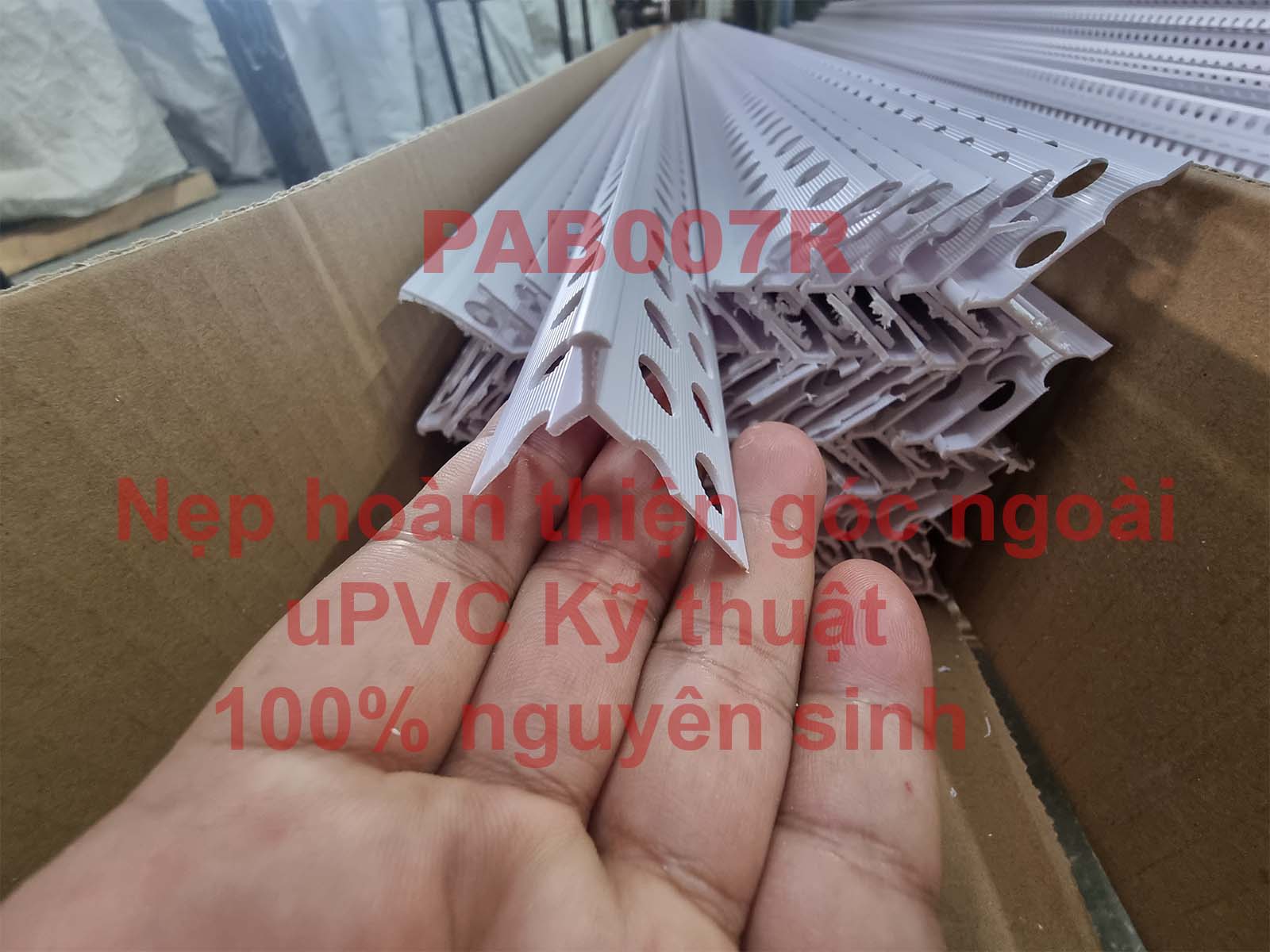
- Quality uPVC profiles must satisfy the material and dimensional requirements shown below.
 |
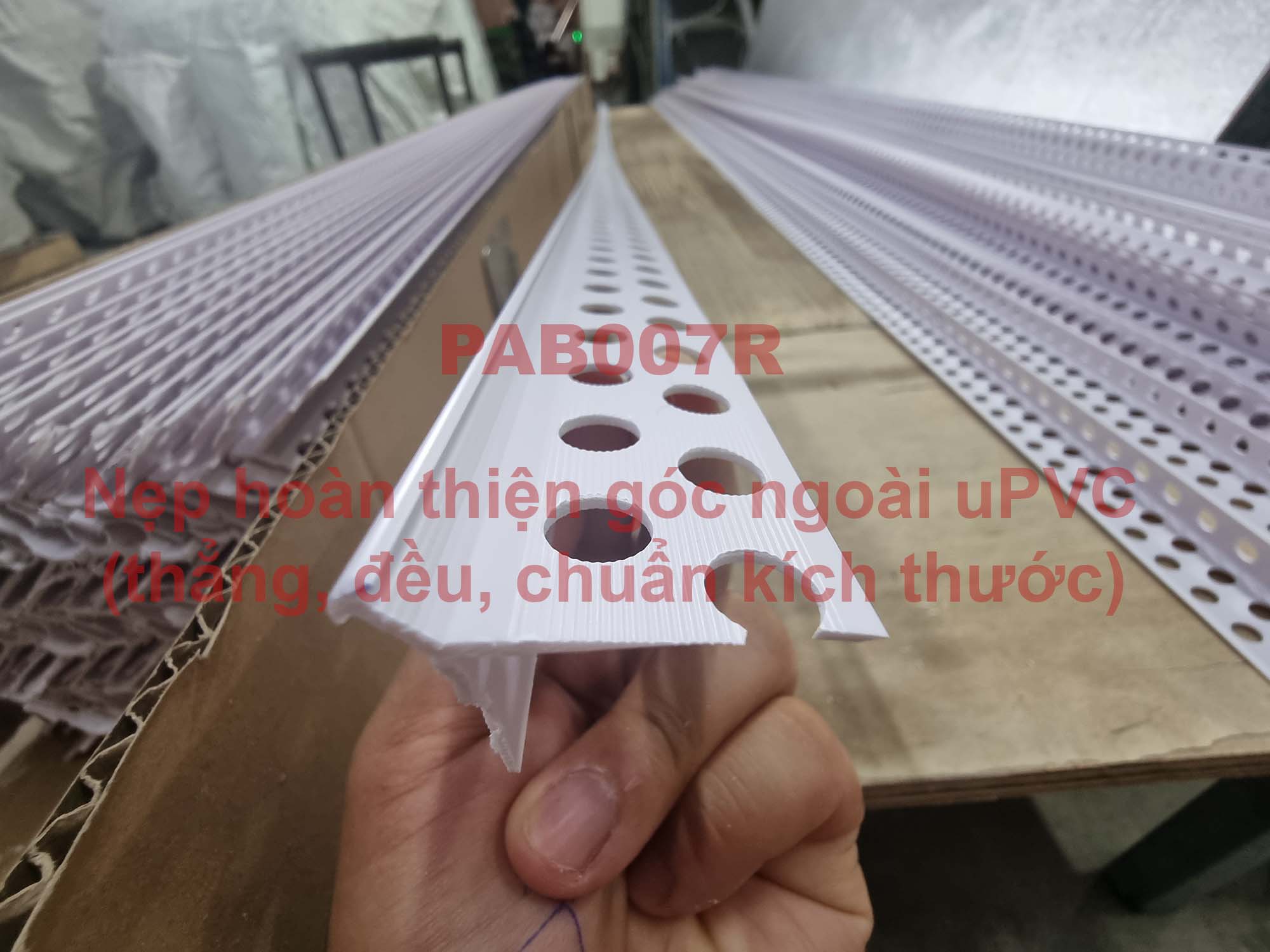 |
| The mechanical, physical and chemical properties of the uPVC material must meet installation and service requirements. | The external corner bead must be flat, straight, uniform and dimensionally accurate. |
Professional contractors choose HAN uPVC External Corner Beads for the following benefits:
- Create straight, precise and aesthetically pleasing external corners while accelerating installation progress.
- Protect plastered external corners of columns, beams and walls from impact and damage.
- Feature a scientifically engineered design with reinforcing ribs for greater rigidity and perforations that ensure a secure bond with the mortar. This provides superior adhesion compared with conventional products and is compatible with current plastering practices in Vietnam.
- Available in various sizes to suit both thin-coat applications—such as wall putty, concrete skim coat, lightweight block plaster and non-fired brick plaster—and thick-coat applications using conventional masonry and plastering mortars.
- Made from 100% virgin engineering-grade uPVC, providing excellent rigidity, load-bearing capacity and impact resistance.
- Deliver outstanding economic efficiency by standardizing plastering work, reducing installation time and lowering labour costs.
- Supported by HAN’s technical team, who provide professional advice and practical installation guidance to customers.
To use HAN uPVC External Corner Beads correctly, customers should observe the following guidelines:
- Select the appropriate bead profile for the application, such as rounded or square corners and thin- or thick-coat plastering.
- Clean the corner surfaces thoroughly and ensure that the areas to be plastered are clear and free from dust, debris and obstructions.
- Prepare the necessary setting-out tools. A laser level can be used to accelerate installation and simultaneously align multiple vertical and horizontal corners within the same area.
- Establish reference points by fixing nails and stretching guide strings to position and secure the bead accurately.
- Use suitable hand-cutting tools, such as a utility knife, scissors, pliers or specialized bead cutters, to achieve quick, clean cuts.
- Secure the bead firmly to the corner using nails, screws, adhesive mortar or cement mortar. Only adhesive mortar with good bonding strength should be used to speed up the installation process.
- Plastering may proceed normally after 24 hours or once the bead has been securely fixed.
- Depending on the subsequent finishing work, the plaster surface may be 1–2 mm below the bead nose—typically when puttying and painting will follow—or level with the bead nose if no additional finishing layer is required.
- Cure and protect the plastered surface in accordance with applicable technical standards.
- Store unused beads properly in accordance with HAN’s storage instructions.
Please contact HAN’s authorized distributor network or sales department for product consultation and to purchase genuine HAN uPVC External Corner Beads.
HAN uPVC External Corner Beads are currently available in the following specifications and packaging:
- 1–3 mm: Suitable for thin-coat corner finishing using wall putty or concrete skim coat.
- 3–5 mm: Suitable for skim coating and plastering lightweight blocks, non-fired bricks and wall panels.
- 5–20 mm: Suitable for conventional thick-coat plastering and rendering of fired clay brick masonry.
The standard length is 2.5–3 metres per bead, or the beads can be cut to custom lengths upon request.
Packaging: 50–100 beads per carton.
Comment
Comment